





Employee advocacy software helps your team share company content on social—turning employees into credible brand voices. This guide covers what to look for, how the top platforms compare, and how to choose the right fit for your organization in 2026.
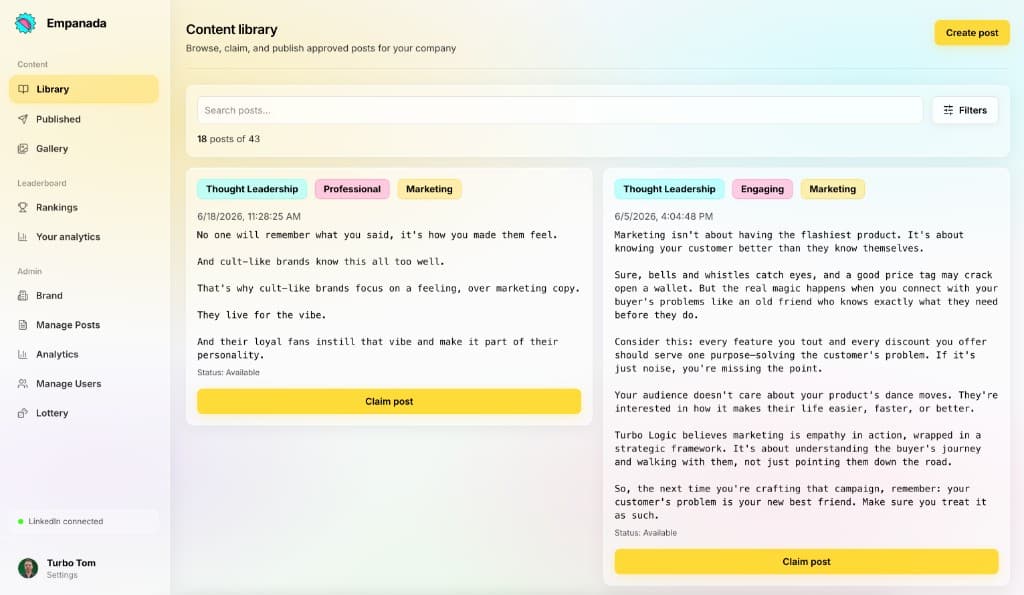
Marketing-approved posts your team can browse and personalize—without starting from a blank page.
Native LinkedIn API integration matters. Copy-paste workflows kill adoption faster than anything else.
Help employees adapt approved content in their own voice while staying on message.
Leaderboards, lotteries, and recognition keep participation high beyond launch week.
Track who's posting, measure reach, and report results to leadership without manual spreadsheets.
The best platform is the one your team actually uses. Onboarding, mobile access, and simplicity win.
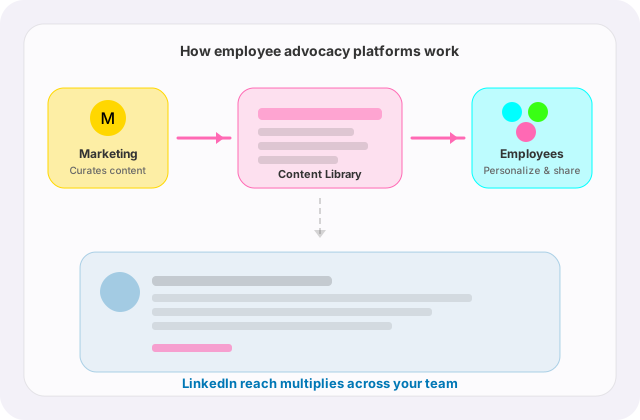
An employee advocacy platform is software that helps companies turn employees into brand ambassadors on social media—primarily LinkedIn for B2B. Marketing curates approved content; employees browse, personalize, and publish from their own accounts.
The goal is simple: multiply your reach through trusted human voices instead of relying on a single brand page. Buyers research vendors on LinkedIn long before they visit your website. When your whole company shows up consistently, you build pipeline that paid ads can't replicate.
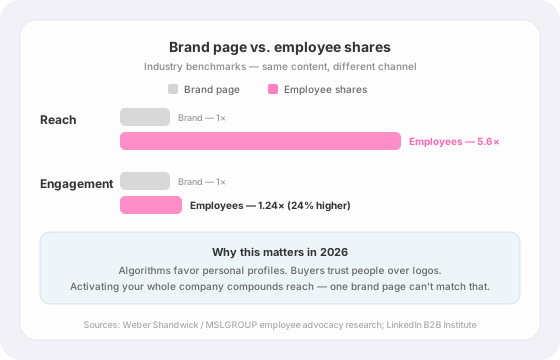
Organic reach on brand pages keeps declining. Algorithm changes favor personal profiles. Buyers trust people over logos. In 2026, B2B marketing teams are treating employee advocacy as a core channel—not a nice-to-have side project.
The companies winning on LinkedIn aren't posting more from one corporate account. They're activating sales, customer success, product, and leadership to share thought leadership, customer stories, and company news—at scale.
The challenge has always been adoption. That's why choosing the right platform matters: the tool has to remove friction, not add it.
Before comparing vendors, define what success looks like. Are you trying to increase LinkedIn reach, warm up sales conversations, support recruiting, or all three? Your primary use case should drive your shortlist.
Score each platform on six dimensions: content workflow (library + approval), publishing friction (especially LinkedIn-native), personalization (AI or templates), engagement mechanics (leaderboards, rewards), analytics depth, and total cost of ownership including implementation time.
Run a pilot with a cross-functional group—sales, marketing, and one executive sponsor. The platform that gets the most posts published in week one is usually the right long-term choice.

We evaluated platforms based on LinkedIn publishing capabilities, content library features, ease of adoption for non-marketers, gamification and incentives, analytics for program owners, pricing transparency, and fit for B2B mid-market teams.
This guide reflects the employee advocacy landscape as of 2026. We include established enterprise players alongside newer LinkedIn-focused tools. Every platform has trade-offs—the right choice depends on your team size, existing martech stack, and primary channel.
Start with a content library of 15–20 high-quality posts before inviting the team. Empty libraries are the fastest way to kill momentum.
Recruit executive sponsors early. When leadership posts, everyone else follows. Pair your launch with a leaderboard or small incentive to create early wins.
Measure participation rate—not just total reach. A program where 40% of employees post monthly beats one where three power users carry the whole program.
Review and refresh content quarterly. Stale posts signal a stale program. Marketing should treat the library like a product, not a one-time upload.
An honest look at the leading tools in 2026—strengths, trade-offs, and who each platform serves best.

Best for: B2B teams focused on LinkedIn adoption and pipeline

Best for: Enterprise teams with multi-channel advocacy needs

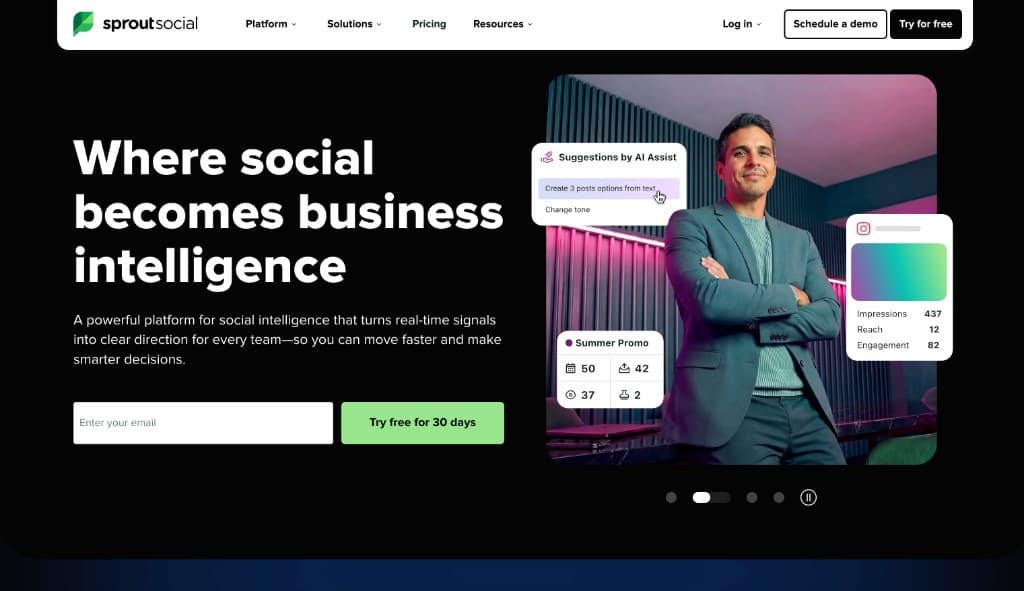
Best for: Teams already using Sprout Social for social management

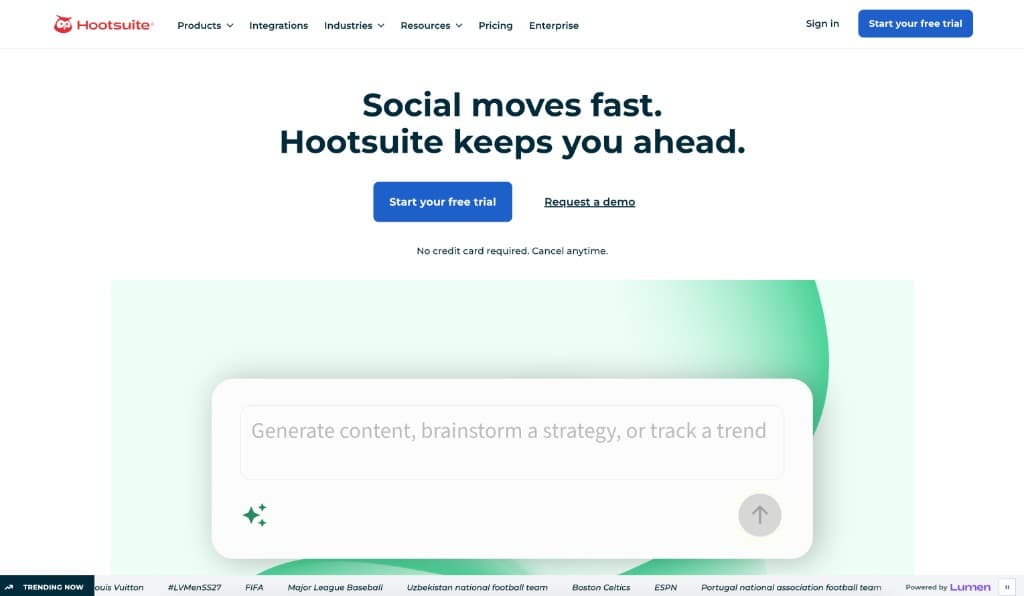
Best for: Organizations standardized on Hootsuite

Best for: Large enterprises, especially in EMEA

Best for: Enterprise advocacy with strong content discovery

Best for: Internal comms teams bridging employee engagement and advocacy
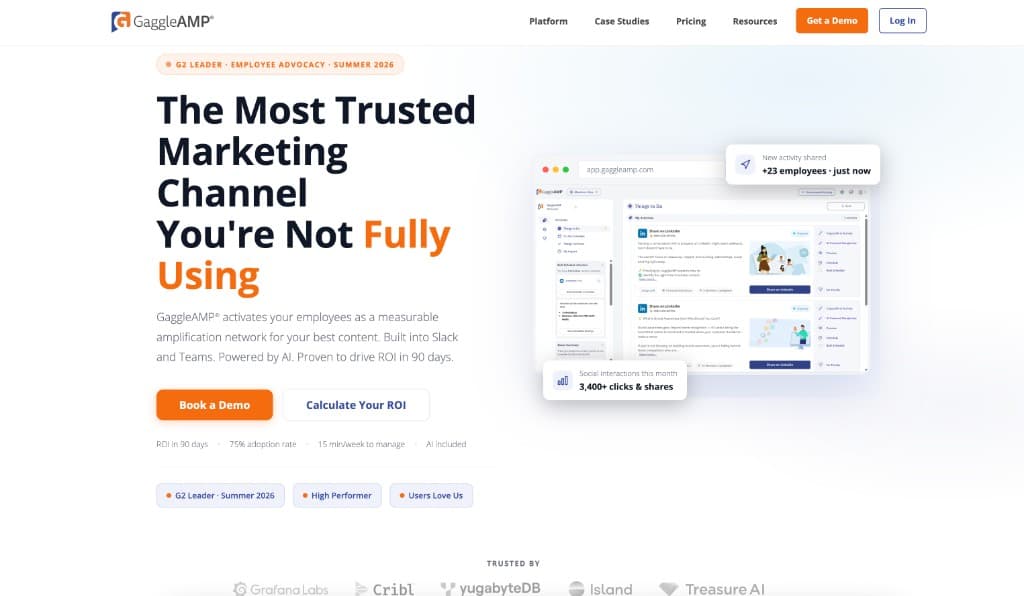
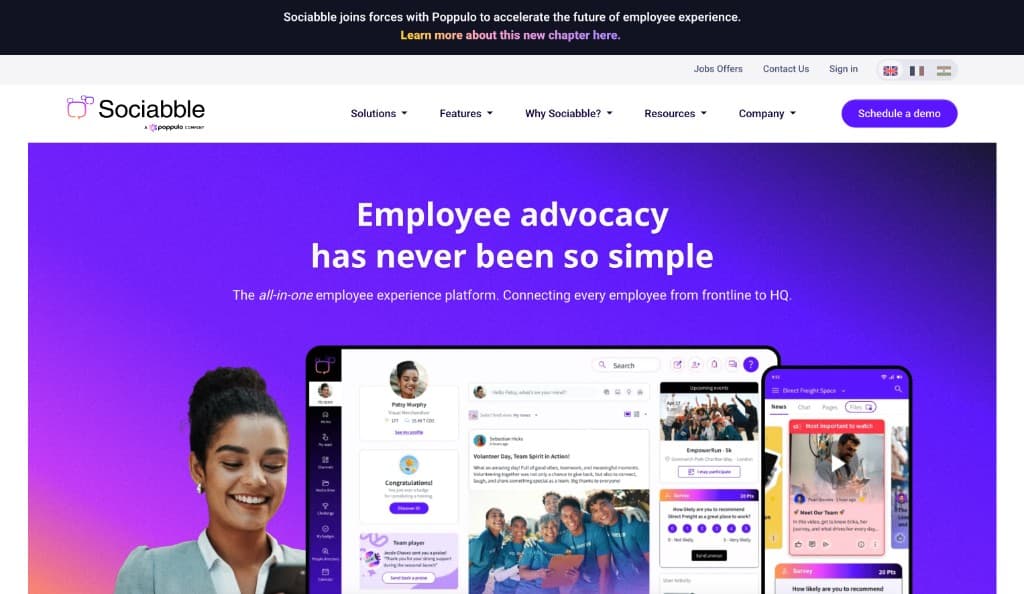
The best platform depends on your primary channel and team size. For B2B teams focused on LinkedIn adoption, Empanada offers the lowest-friction path from content library to published post. Enterprise teams with multi-channel needs often evaluate GaggleAMP, Sociabble, or EveryoneSocial. Teams already on Sprout or Hootsuite should start with their native advocacy modules.
Pricing varies widely. Mid-market LinkedIn-focused tools often start in the low thousands per month. Enterprise platforms typically price per seat or per employee, ranging from $3–$15+ per user monthly, with minimum contracts. Factor in implementation time, content creation, and program management—not just license fees.
You can share manually, but adoption drops fast without a system. Advocacy platforms solve three problems: giving employees ready-to-share content (no blank page), reducing publishing friction (one-click vs. copy-paste), and sustaining participation (gamification, analytics, reminders). Most programs stall without tooling within 90 days.
A focused LinkedIn program can launch in 2–4 weeks: one week to curate initial content, one week for pilot onboarding, one week for broader rollout. Enterprise multi-channel programs with compliance review often take 2–3 months. Start small—a pilot group of 10–20 people beats a delayed company-wide launch.
Employee shares typically achieve 561% greater reach than brand channels alone and 24% higher engagement. For B2B, the pipeline impact is harder to attribute directly—but teams consistently report warmer sales conversations, increased inbound interest, and stronger employer brand when advocacy programs stay active.
No. Influencer marketing pays external creators to promote your brand. Employee advocacy activates your own team—people who already know your product, customers, and culture. The content is more authentic, the reach compounds internally, and the cost structure is fundamentally different.
Empanada is built for B2B teams who need adoption—not another tool that collects dust. Book a demo to see it in action.
Book a Demo